Climate change impacts on food and migration
Analysis finds £3 billion worth of food, including rice, tea and mangos, comes from countries experiencing high levels of migration .
Last updated:
Climate impacts don’t just threaten crops, but also the people growing them. Climate-fuelled disasters are increasingly forcing people to move.
At more than 1.3°C of global temperature rise, climate impacts are becoming more dangerous and costly. Everywhere, worsening extremes threaten our food supplies as excess heat, drought, flooding and fires hit harvests, leading to shortages and rising prices from global markets to local supermarkets.
In the UK, we import two fifths of our food; 15% of that comes from countries which are the most vulnerable and least resilient to climate change.
In 2024, nearly 123 million people in total were forcibly displaced worldwide, by disasters, conflict and violence. That’s more than twice the number a decade earlier (59 million) and three times the number in 2004 (40 million), amounting to one out of every 67 people living on the planet. If each country was affected equally, that would equate to around one million Brits – or almost the entire population of Birmingham – displaced in the UK.
Over 83 million of those people (68%) were internally displaced, i.e. forced to leave their homes and live elsewhere within their own country.
Disasters accounted for nearly 70% of last year’s internal displacements, with storms and floods responsible for 97% of that. An increase in the frequency and intensity of extreme precipitation, storms and floods are expected in a warming climate. As climate change progresses, these and other disasters like heatwaves, droughts and fires will drive further internal displacement of people.
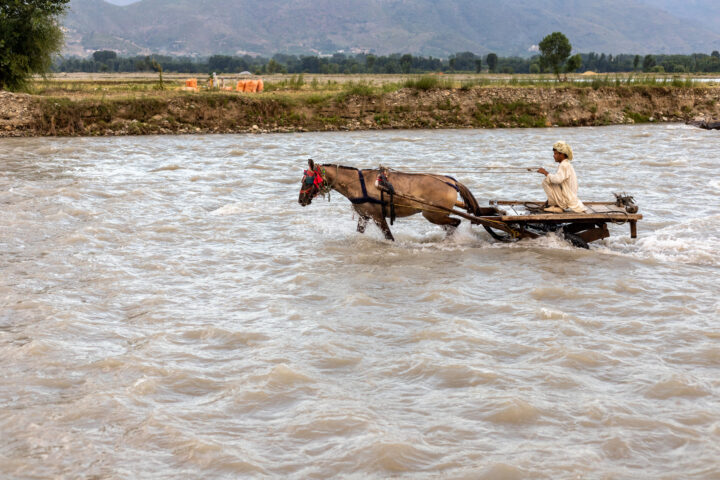
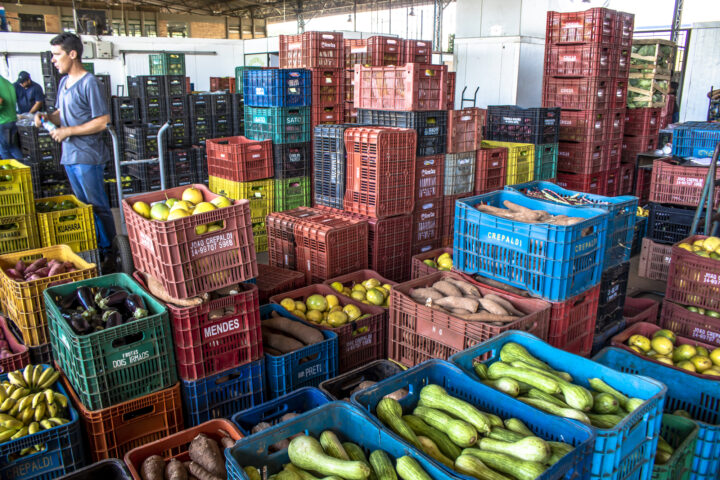
New analysis, putting food import data alongside the stories of those forced to leave their homes by climate change, shows how people fleeing rural, agricultural areas can compound the threat already posed by climate impacts to our food security. Last year, the UK imported £3 billion worth of food from the 20 countries with the highest numbers of internally displaced people. Until we get to net zero emissions, to stop climate impacts from getting worse, both crops and farmers will become increasingly threatened as people are forced to abandon their farms and move to safety.
Pakistan is a case in point. Its economy is heavily reliant on agriculture, which accounts for a quarter of its GDP and about 70% of exports, directly employing nearly two fifths of the population. Despite this, the number of people living in urban areas in Pakistan has quadrupled over 45 years.
A major driving force of this is increasingly extreme weather, with studies suggesting lower crop yields caused by worsening impacts – both sudden onset disasters, like floods, and slower onset, like seawater intrusion – are driving increased migration from rural to urban areas in Pakistan.
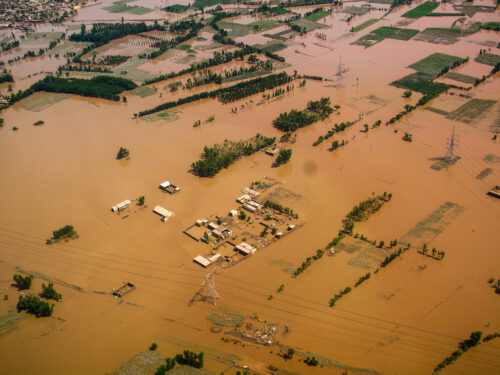
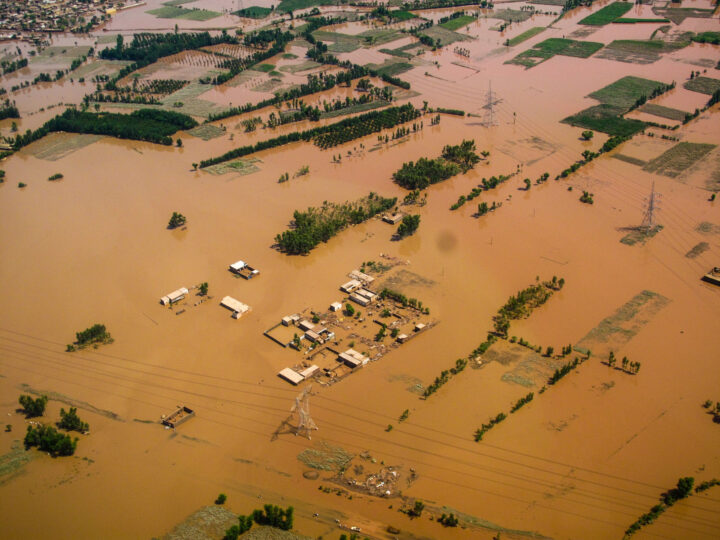
In 2022, devastating floods killed 1,700 people, displaced millions more and wreaked havoc on the agricultural sector. The communities most affected were rural and agricultural. In the wake of the floods, up to nine million Pakistanis slid into poverty, and crop yields were hit.
In 2023, Pakistan had the second highest number of people internally displaced by disaster anywhere in the world, at 1.2 million. In 2024, there were still 203,000, putting them at number 11.
Last year, we imported 236 million kilograms of food from Pakistan, two thirds (65%) of which was in the form of 154 million kilograms of various types of rice worth £121 million. Pakistan is one of the top 10 rice producers globally and our second biggest supplier after India.
Pakistan was hit by several devastating climate impacts in 2022. From March, it – along with India – was gripped by debilitating heat that scientists say was made 30 times more likely by climate change. This was then followed by the floods.
From 2022 to 2023, the average price the UK paid per kilo for Pakistani rice rose by a third (33%). The average price we paid per kilo for Indian rice also rose by 10%. According to the Rice Association, 88% of British households buy rice.
Our second largest food import from Pakistan is mangoes, guavas and mangosteens; they supplied almost a tenth (9%) of our imports of these fruits last year, or £7 million kilograms worth £26 million. Mangoes are the fifth most cultivated fruit in the world and, according to YouGov, the 12th most popular in Britain.
The World Bank has said that rates of warming in Pakistan are considerably higher than the global average. Most models and observations show that intense rainfall has become heavier as the country has warmed, with climate projections indicating there will be an increase in the frequency and severity of extreme weather. This includes river and coastal flooding, meaning events like those in 2022 will become more common. The increasingly precarious nature of their livelihoods may cause more farmers and their families to simply give up and migrate to cities to seek more stable jobs.
We cannot grow rice or mangoes, guavas and mangosteens at commercial scale in the UK so are completely dependent on imports from places like Pakistan. This is true for many commodities from many countries.
Alongside halting climate change to avoid even worse extreme weather, support via overseas development assistance and international climate finance can be, for nations like the UK, an increasingly important investment in global stability and national food security, with recent evidence also showing how it addresses factors driving people to move.