El Niño: quarter of UK food imports – including rice, coffee and cocoa – from parts of world most exposed
As climate change turbocharges El Niño, up to £17bn of UK food imports are in the line of fire.
Last updated:
After a summer of dangerous and devastating climate change impacts, El Niño is strengthening and expected to last through to February 2027, adding heat into our climate system, compounding climate change impacts on food production globally, threatening harvests and therefore shortages and further price rises.
The World Meteorological Organisation and the UK Met Office, along with other experts around the world, are warning that the current El Niño event could be the strongest in living memory. Even a mild El Niño adds even more heat into an already overheated global climate system. Its impacts are most directly felt in Asia, Africa, South America and North America.
The UK imports two fifths of the food it consumes from overseas, and a quarter of those imports – worth £17 billion in 2025 – come from these regions. When El Niño last hit in 2023/24, it compounded worsening impacts being driven by human-caused climate change - impacts which are hitting harvests and driving up food prices.
The price of coffee imports to the UK in 2025 from Brazil rose 77%, and from Vietnam by 39%, whilst the price of cocoa beans from Côte d’Ivoire doubled. In 2022, before that last El Niño, climate change impacts in Pakistan pushed the price of rice up by a third, whilst late monsoon rains, such as have also hit this year, pushed the price of rice from India up 10%.
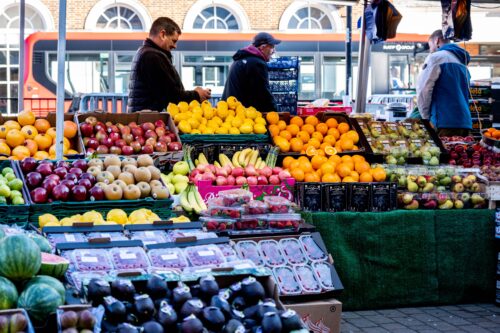
The UK imports most of our fruit (86% last year), with lots of that coming from parts of the world likely to be hardest hit by El Niño. Almost all of our bananas (88% in 2025) come from South America, which tends to experience extreme heat and extreme rainfall during El Niño events.
Grapes, raspberries, strawberries and lots of our citrus fruits come from countries in Africa, many of which are likely to see hotter weather and more prolonged droughts as El Niño turbo-charges the climate change driven extremes already hitting the continent – from where we also import most (58%) of our tea, with the bulk coming from Kenya.
Whilst the most obvious threat is to those categories of fresh produce for which we are wholly or mostly reliant on imports, our food prices are also vulnerable to the damage El Niño, combined with climate change impacts, could do to global market prices for staples like, for instance, wheat. Although the UK is largely self-sufficient, producing almost all of the wheat that we consume in good years, global market prices will be driven by hits that could be taken by the world’s biggest producers of wheat, like India, Pakistan, China and Australia. The UK does not produce enough wheat to significantly influence global commodity markets but rather would feel the impact of price rises on our own domestic wheat, whose prices are largely set by global prices.
Most of what we import from parts of the world likely to see the worst of El Niño are crops that we cannot grow in the UK, or could only grow at limited scale, with energy-intensive infrastructure. But some of what we import – like tomatoes, strawberries, raspberries, and onions – we also grow in the UK for parts of the year. Increasingly, we are seeing impacts on these crops both overseas, and at home.
While El Niño's direct impact on the UK is less well established, the Met Office notes that this year’s is set to bring wetter and stormier weather in the UK this autumn and winter. The last El Niño saw much of the same, with record rainfall and widespread flooding hampering crop planting, reducing the wheat harvest by a fifth, and increasing livestock production costs.