COP31: the diplomatic failure that highlights global momentum

By Gareth Redmond-King
@gredmond76Share
Last updated:
The headlines - countries failing to agree the Antalya Pact after a proposed text omitted the transition away from fossil fuels - were of a serious diplomatic flop. It made stark the growing divide between oil- and gas-exporting petrostates and the rest of the world. But outside that deadlock, the transition to electrification built on renewables continues, alongside growing coalitions of countries putting previous COP commitments into practice.
In a world where 43% of our power is clean, and new renewables are meeting growing demand, COP31 ended with some 90 countries signed up to powering more of their economies with electricity rather than oil, gas or coal.
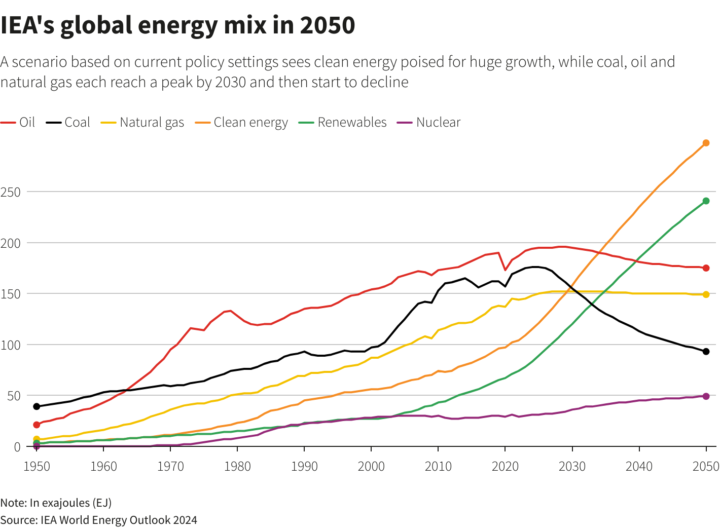
Many – including the UK - are also clear that the electricity they use will be clean, and a growing number (27 and counting) are committed, or committing to, plans to transition away from fossil fuels. And, as some countries, like the UK, have policies in place that are a transition plan in all but name, in practice this does mean that lots of countries are serious about the clean energy transition, and all remain signed up to getting off fossil fuels after decisions made at previous COPs. That first reference to transition away from fossil fuels in the COP28 outcome still stands; it isn’t undone if it is not repeatedly referenced in subsequent meetings.
So where did we get to by the end of COP31 in Antalya – two days over-time?
COP31 itself still produced negotiated outcomes and voluntary initiatives. And while this COP will certainly not be remembered for its presidency’s ambition, it may be enshrined as the COP where real-world action on the energy transition and reaching net zero became as important as what countries negotiate.
Just a few years ago, COPs were highly focused on detailed talks over how to deliver future ambition, but this year we saw evidence we are now so much further into the global clean energy transition that, in some places, we don’t have to wait for governments to act for things to keep moving.
That showed up in relation to three things that were going on at this COP.
First, there were the formal talks.
There were important areas to make progress on. Adaptation was front and centre after a year of horrific climate change impacts – the global goals, national plans, and delivering on the tripling of adaptation finance, to $120 billion, to enable their delivery. But the mitigation work programme is important in the context of the first COP to know we’re heading for overshoot of the Paris 1.5°C. And after COP30 agreed to implement a just transition mechanism, making that a reality is critical to supporting people and communities affected by the transition from fossil fuels to clean energy.
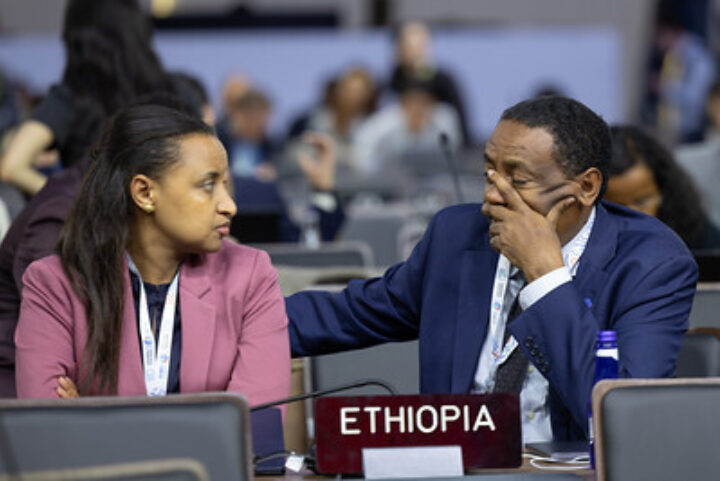
Second, there was the cover decision.
This is a summary text that is often used at the end of COPs to bring together progress across the talks, and coalitions formed outside the talks, with important context. The presidency announced before COP that they would be pursuing this, and then pursued it with zeal from day one; almost their sole focus. And they didn’t even get it over the line in the end, so contested was their refusal to put fossil fuels in there, in the face of pushback from nations like Saudi Arabia, that the EU and others would not support it passing.
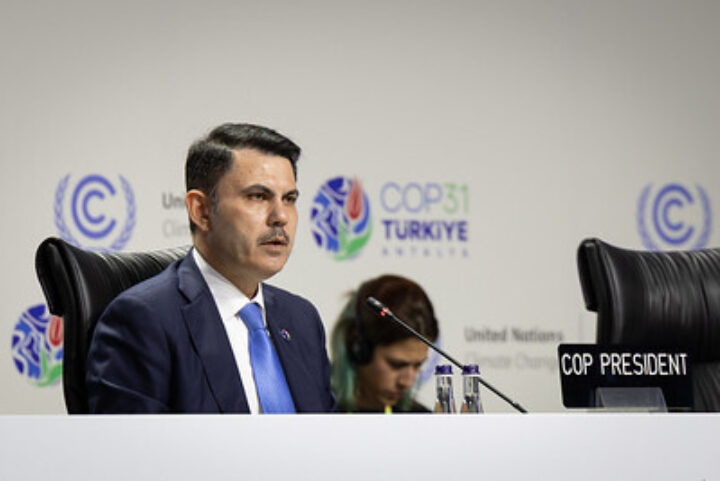
And thirdly there is the action agenda.
The Action Agenda originates from COP19 - in 2013 - and COP20 - in 2014 - ahead of the Paris Agreement, to bring in sub-state actors and wider commitments beyond the UNFCCC talks themselves to focus on implementation.
Now, we are entering the phase of UNFCCC COPs that focuses more on implementation, given how far adrift we are from the Paris goals. This means the action agenda, and the real-world delivery of progress, has taken on new prominence. And, in truth, it is part of shoring up the continued importance of the multilateralism represented by the UNFCCC process – bringing two tiers to it: the formal talks that require unanimity, and the coalitions of the willing that sign up the countries that will commit to action. This can mean that COP doesn’t become solely about seeking unanimity in the face of pushback from blockers like Saudia Arabia and Russia who have done so much to slow progress again this year.
What happened at COP31 was that the presidency pursued the cover decision over all else. Fossil fuels, 1.5°C, the IPCC’s timelines, the electrification target, adaptation finance tripling – with and without a number – were all in and out at various times. Most contentiously, the later drafts brought in an as-yet underdeveloped and under-delivering technology that can provide a back door for continued reliance on fossil fuels beyond what is safe for minimising overshoot: carbon capture and storage.
The cover decision circus sucked the oxygen out of the process and occupied every party’s time submitting, over and again into the presidency’s consultations. All very well if you’re China or the EU, or even the UK, with a decent sized delegation. But if you’re Saint Vincent and the Grenadines, with a delegation of five people, then commitment to this process severely limits your engagement with others.
And if you’re the presidency, busy pursuing this – and inclusion of your sole stated aim of the electrification target – then you expend a disproportionate amount of your energy on this, to the significant cost of the maintaining any kind of grip, or showing leadership, in relation to the formal talks.
So far, so disappointing. Hardly any major developed nations offered up significant new climate finance – including co-president, Australia, which has still not offered any contribution to the climate finance required under the New Collective Quantified Goal on Climate Finance decision at COP30 last year. So this blocked progress in the negotiating rooms too. Although there was some movement on ‘innovative finance’ – a phrase which made it into later texts and was being talked about more seriously by many, including the UK. This relates to ‘solidarity levies’ or taxes on things affecting a minority of the wealthiest individuals, such aspremium air travel and private jets. Work produced during COP, which showed price signals have no impact on growing demand for luxury air travel, demonstrate a tax on just that could raise about the same (up to $34 billion) for climate finance each year as the EU contributes.
The only leadership in evidence really, came from:
- the COP30 presidency, Brazil, which delivered up the fossil fuel and deforestation roadmaps that it promised major coalitions of the willing in Belém
- some small nations:on climate finance, the Solomon Islands – one of the poorest nations in the world – offered up $400,000; on NDCs, Palestine – a state with some rather pressing issues on its plate, to say the least – offered up a new NDC.
So it was strand three that delivered – the action agenda. And as we head into what is set to be the hottest year ever, this real-world progress matters for our health and food security; reaching net zero emissions remains the only scientific solution to stop ever-worsening climate change.
What role for the UK?
The UK has played an important part in getting the world to this point. Eleven years after the Paris Agreement, decisions and funding from governments have driven a massive global clean energy market which is twice the size of that for fossil fuels. The UK was a pioneer, and its rapid deployment of renewables helped bring down the cost of renewables for others – including poorer, developing countries.
But there is no scope for resting on laurels. The UK is not, and never will be, a major producer of oil and gas. It will never influence global oil and gas markets; only be influenced by them. So it finds itself firmly in the group of countries for whom clean electrification – as rapidly as possible – is the route to energy security.
With the Prime Minister having committed us to 35% clean electrification by 2035 – and at just 15th out of the G20 nations on progress to date – the UK needs to stay the course on its existing clean power policies if it wants to achieve that goal. Recent moves to chip away at support for heat pumps, and potentially undermining the ZEV mandate, will not help. Instead, they will risk the security, affordability, and support for a liveable planet that the clean energy transition can deliver.
What now for future COPs?
So on to Ethiopia and COP32. Too much has been passed on to mid-year meetings in Bonn, and the next presidency. Many – perhaps including the COP31 presidency – may hope that the Brazilians, newly empowered by Lula’s surprising election win, stick at their current continued leadership at COP.
But the real-world momentum also gives hope for what the UN’s climate change multilateralism can continue to help drive – on top of what it has achieved in the 11 years since Paris. Not least, when these processes run over, and parties stand up to prevent bad decisions being made, it’s not an indication of chaos. Even when held in countries under politicians not used to being told ‘no’, the 195 parties stand up and challenge. It is a healthy process that we could never replicate or replace with anything better in the time we have to address the worst threats from climate change. It is a process that keeps the polluters and the blockers feeling they have to be at the table.
The public process – as with almost literally anything in our lives – has fuelled, led, paid for, and pushed the growth of the market that now leads the way. The UNFCCC has brought that together, culminating in the Paris Agreement.
Momentum continues, despite COP31’s shortcomings. We just need to speed it up if we’re seriously to address overshoot and minimise the time the planet spends above that 1.5°C threshold.
Electrification: COP31 35% by 2035 target and progress amongst G20 nations
Ten Years Post-Paris: global emissions growth in sharp decline
The impact of climate change on British farms and farmers’ mental health
Climate change impacts on food and migration
Industrial Energy Costs in the Gas Crisis
Climate impacts on cocoa
The future is green: The economic opportunities brought by the UK’s net zero economy
Share